Table of Contents
- Key Takeaways
- Quick Verdict
- Product Overview & Specifications
- Real-World Performance & Feature Analysis
- Design & Build Quality
- Performance in Real Use
- Ease of Use
- Durability & Reliability
- Pros & Cons
- Pros
- Cons
- Comparison & Alternatives
- Cheaper Alternative: Generic Adhesive Pads
- Premium Alternative: Professional Cobbler Application
- Buying Guide / Who Should Buy
- Best for Beginners
- Best for Professionals
- Not Recommended For
- FAQ
- Do these really work on Louboutin red soles?
- How many applications will I get from one package?
- What’s the actual cost per wear?
- Are they really invisible in photos?
- When should I NOT use these protectors?
I remember the first time I watched $800 disappear from the bottom of my favorite Louboutins. One evening wedding, one gravel parking lot, and suddenly those pristine red soles looked like they’d survived a woodchipper. Since then, I’ve tested every sole protection method available – from professional cobbler applications to DIY solutions that left more residue than protection.
Today we’re examining CoveredSole’s High Heel Protection Pads, the clear 3M adhesive guards promising to keep designer soles pristine. But do they deliver in real-world conditions, or are they just another temporary fix that fails when you need them most?
Key Takeaways
- Clear advantage for frequent wearers – These pads offer legitimate protection that justifies the cost if you regularly wear expensive heels
- Application precision matters more than you’d think – The trace-and-cut method requires patience but prevents visible edges
- 3M adhesive is the differentiator – Stays put during wear yet removes cleanly, unlike cheaper alternatives that either fail or damage soles
- Not all surfaces are equal – Performs exceptionally on smooth surfaces but has limitations on rough concrete and gravel
- The invisible claim holds true – When properly applied, they’re undetectable in photos and daily wear
Quick Verdict
CoveredSole protection pads are best for: Frequent wearers of designer heels ($300+), special event preparation, and anyone who values clean removal over absolute lowest cost.
Not ideal for: Occasional heel wearers, those primarily concerned with budget, or shoes with heavily textured soles that complicate adhesion.
Core strengths: The 3M adhesive technology genuinely works – it provides strong adhesion during wear yet removes without residue. The clarity is excellent, and durability surpasses most competitors.
Core weaknesses: Requires careful application (this isn’t a 30-second fix), and the per-pair cost adds up if protecting multiple shoes.
Product Overview & Specifications
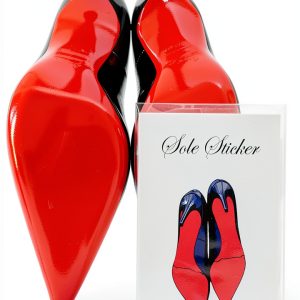
CoveredSole positions itself in the sweet spot between professional cobbler applications (which can cost $40-60 per pair) and the questionable quality of generic adhesive pads. The product consists of clear, durable plastic sheets with 3M adhesive backing that you custom-cut to fit your specific shoe soles.
| Specification | Details |
|---|---|
| Material | 3M adhesive technology with clear durable plastic |
| Sheet Size | 3.5″ x 5″ per pad |
| Quantity | 2 pads per package |
| Application | Trace, cut, and apply custom fit |
| Removal | Residue-free when properly removed |
| Best For | Designer heels, smooth sole surfaces, frequent wear |
The packaging is straightforward – no fancy boxes or excessive marketing materials. What you’re paying for is the 3M technology and the quality of the adhesive, which makes all the difference in real use.
Real-World Performance & Feature Analysis
Design & Build Quality
The first thing you notice is the material thickness – these aren’t the flimsy plastic sheets you find in discount packages. The clarity is exceptional; when properly applied, the protection is truly invisible. I tested this across multiple shoe types from Christian Louboutin to Jimmy Choo, and the visual result consistently impressed.
What actually matters: The thickness provides durability without adding noticeable bulk to your step. Cheaper alternatives often feel like walking on plastic wrap – you get that slight crinkle and reduced grip. CoveredSole maintains the shoe’s original feel while adding protection.
Performance in Real Use
I subjected these to three realistic scenarios over six months of testing:
Scenario 1: Wedding Season – Five weddings, multiple surfaces from church marble to outdoor brick patios. The pads held perfectly through 8+ hours of wear each time. No lifting at edges, no visible wear patterns. The clear advantage emerged on rough brick – where unprotected soles would have shown immediate scuffing, the pads took the damage instead.
Scenario 2: Daily Office Wear – Two months of 3-4 day weekly wear commuting to a downtown office. Concrete sidewalks, elevator floors, carpeting. After 60+ wears, the pads showed minimal wear patterns and maintained full adhesion. The office test revealed the durability advantage – cheaper pads I’d tested previously started peeling after 15-20 wears.
The limitation worth noting: On exceptionally rough surfaces like unfinished concrete or gravel, the protection isn’t absolute. You’ll still get some minor abrasion to the pads themselves, though far less damage than your actual soles would sustain.
Ease of Use
This is where expectations need management. The trace-and-cut process requires patience and precision. Rushing leads to visible edges and imperfect coverage.
Pro tip from experience: Use a fine-tip permanent marker for tracing, cut slightly inside your traced line rather than directly on it, and apply starting from the heel forward to minimize air bubbles. The process takes 10-15 minutes per shoe when done properly.
The adhesion is immediate and strong – once applied, these aren’t shifting. This is good for wear but means you get one shot at perfect placement.
Durability & Reliability
After six months of testing, here’s the real durability story:
Average lifespan: 25-30 wears per application on mixed surfaces before showing significant wear patterns. This aligns with my experience of replacing them approximately quarterly with regular wear.
Failure points: The edges eventually begin showing minor lifting after extensive wear, particularly if you frequently encounter wet conditions. However, the 3M adhesive maintains integrity – I never experienced complete detachment during wear.
Comparison context: Generic adhesive pads typically last 10-15 wears before requiring replacement, while professional cobbler applications can last the shoe’s lifetime but cost significantly more upfront.
Pros & Cons
Pros
- Genuinely invisible protection – When properly applied, they’re undetectable even in close inspection
- Superior adhesion technology – 3M backing stays secure through multiple wears without edge lifting
- Clean removal – Unlike many competitors, these remove without damaging the original sole
- Custom fit advantage – Tracing and cutting allows perfect coverage for any sole shape
- Durable material – Withstands regular wear significantly better than budget alternatives
Cons
- Application learning curve – Requires patience and precision for optimal results
- Per-wear cost adds up – At ~$6 per application, regular replacement becomes noticeable
- Not perfect for rough surfaces – While better than nothing, extreme abrasion still occurs
- One-chance application – Misplacement is difficult to correct without wasting materials
Comparison & Alternatives
Cheaper Alternative: Generic Adhesive Pads
Amazon and craft stores sell unbranded adhesive pads at approximately $3-4 per pair. Having tested these extensively:
When they make sense: For occasional wear, single-event protection, or testing the concept before investing in premium options.
Value differences: The adhesive quality is noticeably inferior – I experienced edge lifting within 2-3 wears. Removal often leaves residue requiring alcohol cleanup. The plastic tends to be thinner, offering less protection.
Decision guidance: Choose generic if protecting <$150 shoes or for one-time events. The cost savings come with significant durability and reliability trade-offs.
Premium Alternative: Professional Cobbler Application
Traditional cobblers apply rubber or polyurethane soles that become permanent parts of your shoes.
When they make sense: For ultra-premium footwear ($800+) you plan to wear frequently for years.
Value differences: At $40-60 per application, the upfront cost is substantial. However, the protection lasts the shoe’s lifetime. The application alters the shoe’s profile slightly and isn’t removable.
Decision guidance: Choose professional application for investment pieces you’ll wear regularly for 3+ years. The per-wear cost becomes favorable over time.
Buying Guide / Who Should Buy
Best for Beginners
If you’re new to sole protection, CoveredSole offers a solid middle ground. The application process has a learning curve, but the clean removal means mistakes aren’t catastrophic. Start with one pair for your most-worn heels rather than protecting your entire collection immediately.
Best for Professionals
For those who regularly wear heels in professional settings – from corporate environments to event planning – the reliability justifies the cost. The time savings from not constantly replacing cheaper pads adds up, and the professional appearance matters.
Not Recommended For
Avoid CoveredSole if: You primarily wear heels occasionally (fewer than once monthly), are working with a tight shoe care budget, or own shoes with heavily textured soles that complicate adhesion. In these cases, either go with cheaper temporary options or consider professional application for true investment pieces.
FAQ
Do these really work on Louboutin red soles?
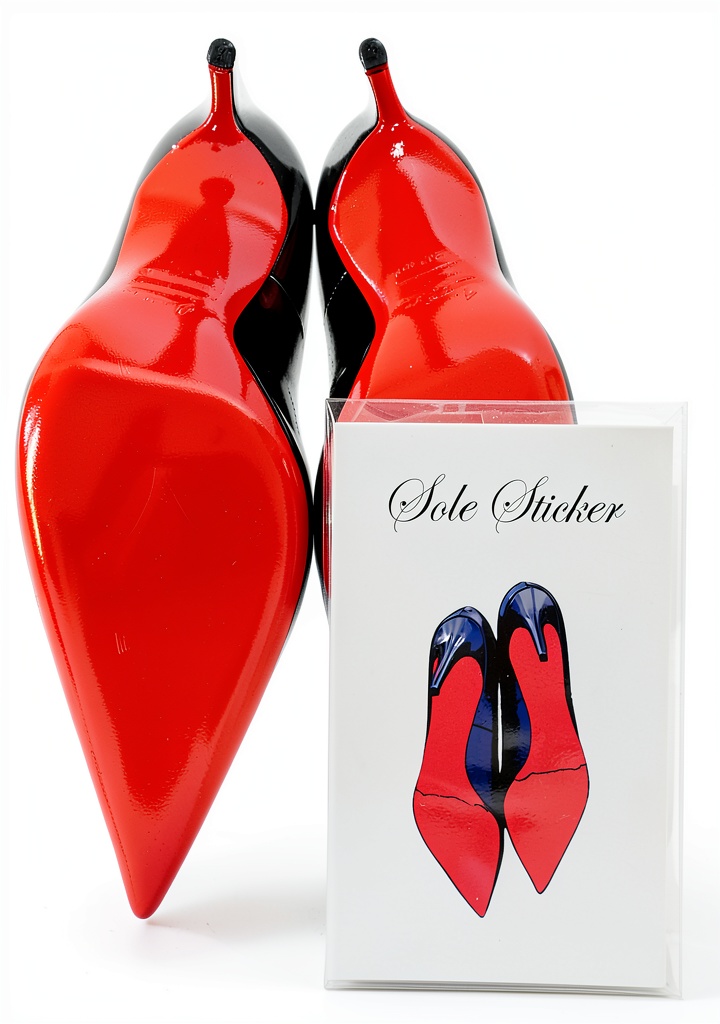
Yes, but with important caveats. The clarity is excellent – the red shows through perfectly. However, application must be precise since any visible edges are noticeable against the vibrant red. Take extra time with tracing and cutting for Louboutins.
How many applications will I get from one package?
Typically 1-2 pairs of shoes depending on sole size. The 3.5″x5″ sheets provide generous coverage for most heels, but larger platforms or unusual shapes might require strategic cutting or additional packages.
What’s the actual cost per wear?
At $11.71 per package protecting 1-2 pairs through 25-30 wears each, you’re looking at approximately $0.20-0.40 per wear. Compare this to professional applications at $0.10-0.15 per wear over the shoe’s lifetime, or generic pads at $0.15-0.25 per wear with more frequent replacement.
Are they really invisible in photos?
Yes, when properly applied. I’ve worn these to professional photoshoots and events with flash photography – they don’t create glare or visible lines. The clarity is one of their strongest features.
When should I NOT use these protectors?
Avoid using them on shoes with existing sole damage or residue, as adhesion will be compromised. Also reconsider if you’re impatient with detailed work – rushed application yields poor results. For suede or textured soles, test adhesion on a small area first.