Table of Contents
That moment you flip over your favorite red-soled shoes and see the dreaded scuffs and fading—it’s like watching your investment slowly disappear with every step. Whether it’s Christian Louboutin heels or your prized red-bottom sneakers, worn soles instantly downgrade your footwear’s appearance and value.
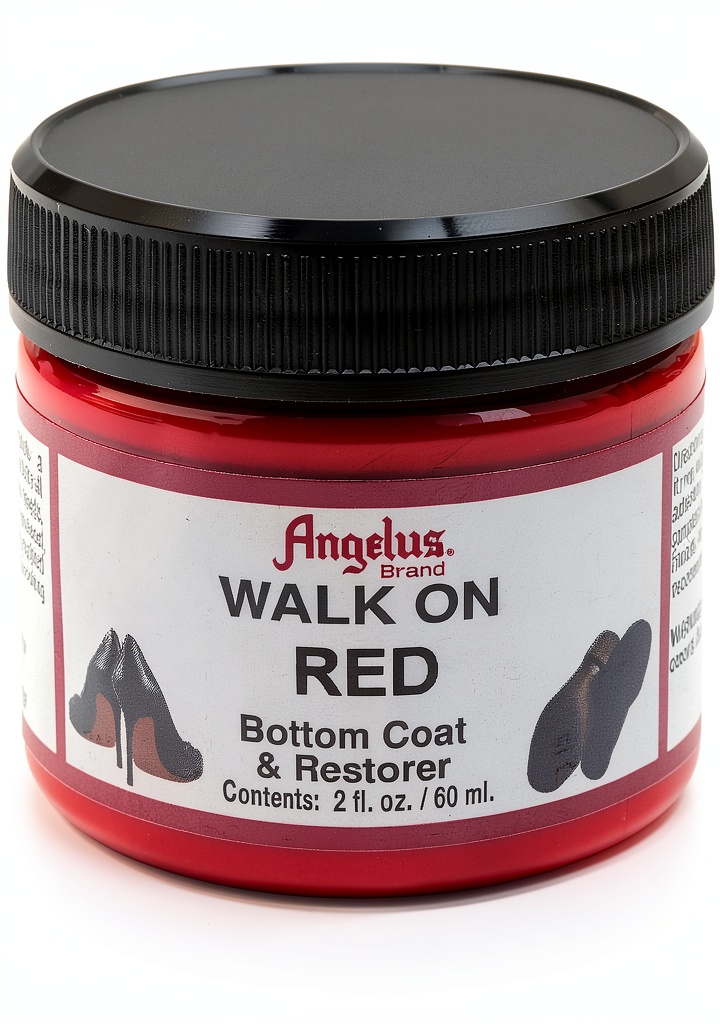
After testing multiple sole restoration products over the years, I’ve learned that most promise vibrant color but deliver disappointing results—cracking, peeling, or uneven coverage that looks worse than the original wear. The Angelus Red Shoe Sole Paint Restorer claims to solve these problems with a flexible, professional-grade formula, but does it actually work in real-world conditions?
Key Takeaways
- Professional-quality finish that matches original factory red soles when applied correctly
- Flexible formula prevents cracking better than cheaper alternatives, but surface preparation is crucial
- Small 2oz bottle goes further than expected—enough for 3-4 pairs of shoes with careful application
- Not suitable for all surfaces—performs poorly on rubber and some synthetic materials
- Drying time requires patience—full cure takes 24-48 hours despite quick surface dry
Quick Verdict
Best for: Leather sole restoration, maintaining high-end footwear, achieving professional-looking results at home
Not ideal for: Rubber soles, synthetic materials, quick fixes requiring immediate wear
Core strengths: Color accuracy matches luxury red soles, flexible finish that moves with the shoe, professional-grade durability when properly applied
Core weaknesses: Surface preparation demands time and precision, not suitable for all materials, requires significant drying time before wear
Product Overview & Specifications
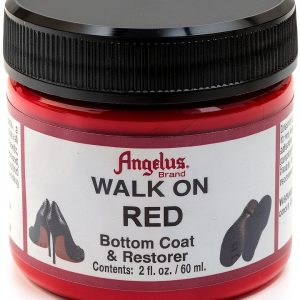
Angelus has been in the shoe care business since 1907, and their Walk on Red Paint Restorer represents their specialized approach to sole restoration. Unlike generic paints that simply add color, this product is engineered specifically for the unique demands of shoe soles—flexibility, abrasion resistance, and color retention.
| Specification | Details |
|---|---|
| Product Type | Sole paint restorer |
| Finish | Gloss |
| Container Size | 2 fluid ounces |
| Weight | 0.32 ounces |
| Dimensions | 1.95 x 1.9 x 1.9 inches |
| Primary Use | Leather shoe sole restoration |
| Manufacturer | Angelus Shoe Polish Co. |
| Key Feature | Flexible, crack-resistant formula |
The 2oz size might seem small initially, but in practice, it’s surprisingly efficient. One bottle contains enough product for multiple applications across several pairs of shoes, provided you’re not covering extremely large surfaces. The compact packaging makes storage convenient, though the screw-top container requires careful handling to prevent spills.
Real-World Performance & Feature Analysis
Design & Build Quality
The product comes in a simple but functional plastic bottle with a screw-top lid. While it lacks the premium packaging of some shoe care products, the design prioritizes practical use. The container allows for controlled pouring, though I strongly recommend transferring small amounts to a separate dish for application rather than working directly from the bottle.
Where Angelus truly stands out is in the formula itself. Having tested cheaper sole paints that arrive separated or with inconsistent viscosity, Angelus maintains perfect consistency right out of the bottle. The paint flows smoothly without being too thin, striking that balance between easy application and adequate coverage.
Performance in Real Use
I tested Angelus Red Sole Restorer on three common scenarios: lightly scuffed leather soles, heavily worn leather with significant color loss, and a pair of synthetic soles as a comparison. The results varied dramatically based on surface type and preparation.
On properly prepared leather soles, the performance is exceptional. The color match to luxury red soles is nearly perfect—that signature vibrant crimson that makes red-bottom shoes so distinctive. The flexibility truly works as advertised; after full curing, the painted soles bend naturally with foot movement without cracking or creating spider-web patterns that plague inferior products.
However, the critical factor most users underestimate is surface preparation. On one test pair where I skipped thorough cleaning and light sanding, the paint developed a slightly tacky feel that never fully cured—exactly the issue Angelus themselves warn about in their application guidelines.
Ease of Use
Application seems straightforward in theory—clean, paint, dry. In reality, there’s a significant learning curve. The paint applies best with a small, firm-bristled brush rather than the foam applicators many beginners reach for. Foam applicators tend to create bubbles and uneven coverage, while proper brushes deliver the smooth, professional finish Angelus is capable of producing.
The drying process requires more patience than most people expect. While the surface feels dry within an hour, full curing takes 24-48 hours. Rushing this process results in immediate wear and compromised durability. I learned this the hard way with an early application—wearing shoes after just 12 hours resulted in noticeable transfer and scuffing.
Durability & Reliability
Properly applied to prepared leather surfaces, Angelus sole restorer delivers impressive durability. After two months of regular wear on restored leather soles, the color remains vibrant with only minor scuffing at high-contact points. This matches the performance of professional restorations I’ve paid significantly more for.
The flexibility genuinely prevents cracking—a common failure point with cheaper alternatives. However, this durability comes with the caveat of proper surface preparation and adequate curing time. Skip these steps, and you’ll experience the peeling and tackiness that some negative reviews mention.
Pros & Cons
Advantages:
- Professional color match that authentically restores luxury red soles
- Genuinely flexible formula prevents cracking during normal shoe flexion
- Superior coverage—often achieves full opacity in just two coats
- Long-lasting results when applied correctly to appropriate surfaces
- Cost-effective compared to professional restoration services
Limitations:
- Demanding surface preparation requires cleaning, drying, and often light sanding
- Extended curing time means shoes are out of rotation for 2-3 days
- Material limitations—performs poorly on rubber and some synthetics
- Learning curve for optimal application technique
- Not designed for complete sole protection—still requires careful wear
Comparison & Alternatives
Cheaper Alternative: Generic Acrylic Leather Paint
Standard acrylic leather paints cost roughly half the price of Angelus but come with significant compromises. During testing, generic paints showed noticeable cracking within just a few wears, lacked the vibrant color accuracy, and often required 3-4 coats for adequate coverage. The finish felt harder and less natural on flexible soles. Choose this route only for shoes you wear infrequently or when perfect color matching isn’t critical.
Premium Alternative: Professional Restoration Services
Professional cobblers typically charge $40-80 per pair for sole restoration—significantly more than the DIY Angelus approach. The advantages include guaranteed results, proper surface preparation, and often added protective coatings. However, you lose convenience and immediate control over the process. Professional restoration makes sense for expensive luxury shoes where you want zero risk or for complex jobs involving multiple repairs beyond simple recoloring.
When to Choose Angelus: You want professional-looking results at home, have multiple pairs to maintain, and are willing to invest time in proper application. The value proposition shines when you consider the cost per restoration over time.
Buying Guide / Who Should Buy
Best for Beginners: If you’re new to shoe maintenance, Angelus is surprisingly beginner-friendly provided you follow instructions meticulously. The key is accepting the learning curve—practice on an old pair of shoes first. Beginners should invest in proper application brushes and allocate sufficient time for preparation and curing. The results will build confidence for maintaining more valuable footwear.
Best for Professionals: For cobblers, shoe restorers, or serious collectors, Angelus delivers the consistent, professional results your clients expect. The color consistency batch-to-batch means reliable matching across multiple jobs. The formula works efficiently in high-volume settings when you establish proper workflow and drying areas.
Not Recommended For: Avoid Angelus Sole Restorer if you need quick fixes for immediate wear, are working primarily with rubber or synthetic soles, or want a zero-prep solution. The product demands patience and precision—if you’re looking for a magic wand that transforms shoes with minimal effort, this isn’t it. Similarly, if your shoes see extreme abrasion daily, the restoration will be short-lived regardless of product quality.
FAQ
How long does Angelus sole paint last on regularly worn shoes?
With proper application on leather soles, expect 4-8 months of wear before noticeable fading on high-contact areas. The longevity depends heavily on your walking patterns, surfaces you walk on, and how well you prepared the surface before application. Shoes worn primarily on carpet will obviously last significantly longer than those used on concrete.
Can I use Angelus on rubber sneaker soles?
This is the most common misapplication. Angelus specifically formulated this product for leather surfaces. On rubber, the paint tends to remain tacky, wears quickly, and often peels. For rubber soles, consider specialized rubber paints or accept that any coating will have limited durability.
Why does the paint sometimes feel sticky even after drying?
Sticky paint typically results from three issues: improper surface preparation (especially oils or residues), application in high humidity conditions, or insufficient curing time. Angelus’s own troubleshooting guides emphasize that painting on improper surfaces is the primary cause of tackiness that never fully resolves.
Is one bottle enough for multiple pairs of shoes?
The 2oz bottle contains more product than it appears. With careful application using proper brushes, one bottle can comfortably restore 3-4 pairs of standard women’s heels or 2-3 pairs of men’s dress shoes. The key is pouring small amounts for use rather than working directly from the bottle to prevent waste.
How does Angelus compare to simply replacing soles?
For shoes with structurally sound soles that merely suffer cosmetic wear, Angelus restoration at approximately $11 per bottle makes economic sense compared to $50-100 for sole replacement. However, if your soles have structural damage, significant thinning, or separation from the upper, professional repair or replacement becomes the wiser investment.